
Rebuilding Tactical Athletes - The Return To Load Carriage
Rebuilding Tactical Athletes - The Return To Load Carriage
Military Physical Fitness is defined as: ‘the ability to perform military tasks within the Army to meet Operational requirements in the Firm Base and Overseas’.
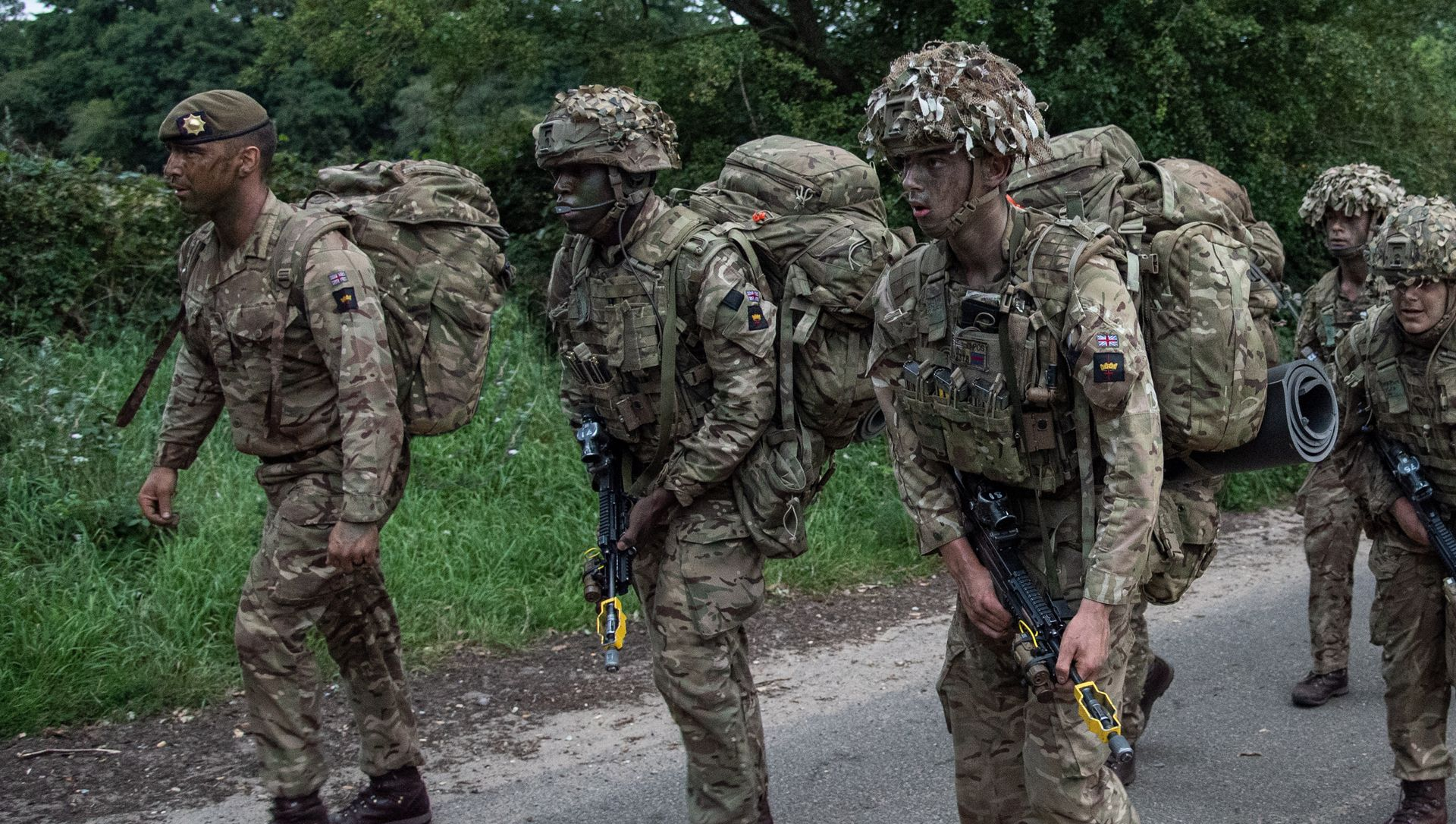
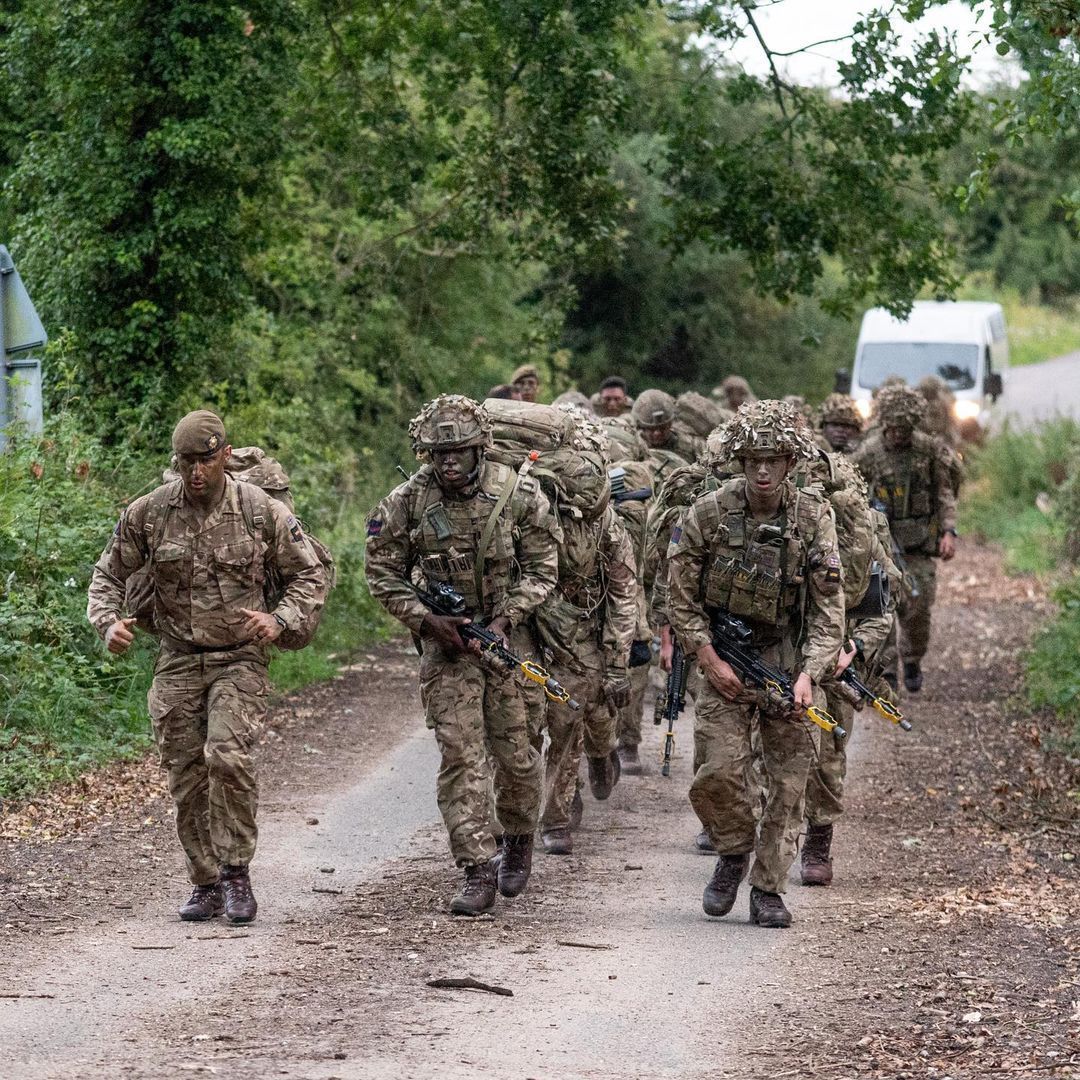
The level of fitness required to carry out these military tasks varies depending on the job the person is doing. Although people do a wide variety of tasks both at home and on operations, the requirement to be able to wear body-armour, webbing and carry a weapon remains the same. These things can get heavy for some people, but the more efficiently you can move carrying extra weight, the easier the task becomes.
In the world of exercise rehabilitation, our aim is to get people to return to “normal” training. In the British Army this requires a return to load carriage – carrying weight while completing tasks. Having followed a thorough strength cycle, returned to plyometrics/impact, completed a return to running programme, and integrated speed/agility and change of direction training into their programme, load carriage is typically the final piece of the puzzle.
But how do you/we know if you’re ready for load carriage?
Some say you have to “earn the right” to put weight on your back and start tabbing. I hate that phrase and the messages it implies. However, there are some simple tests you can use to help reduce the likelihood of an injury on the introduction of load carriage. If you can hit certain numbers on these tests, you’re ready.
Lower body strength can be tested as a 1 rep-max back squat. Like any exercise, it’s vital to pay attention to your form during the squat. Is the individual able to hit 90 degrees? Are the knees folding inwards? Are they experiencing any pain during the movement? These are all simple things that we mustn’t forget. We expect individuals to have a 1 rep max (this can be an estimated 1 rep max) of at least bodyweight, but ideally 1.5x bodyweight.
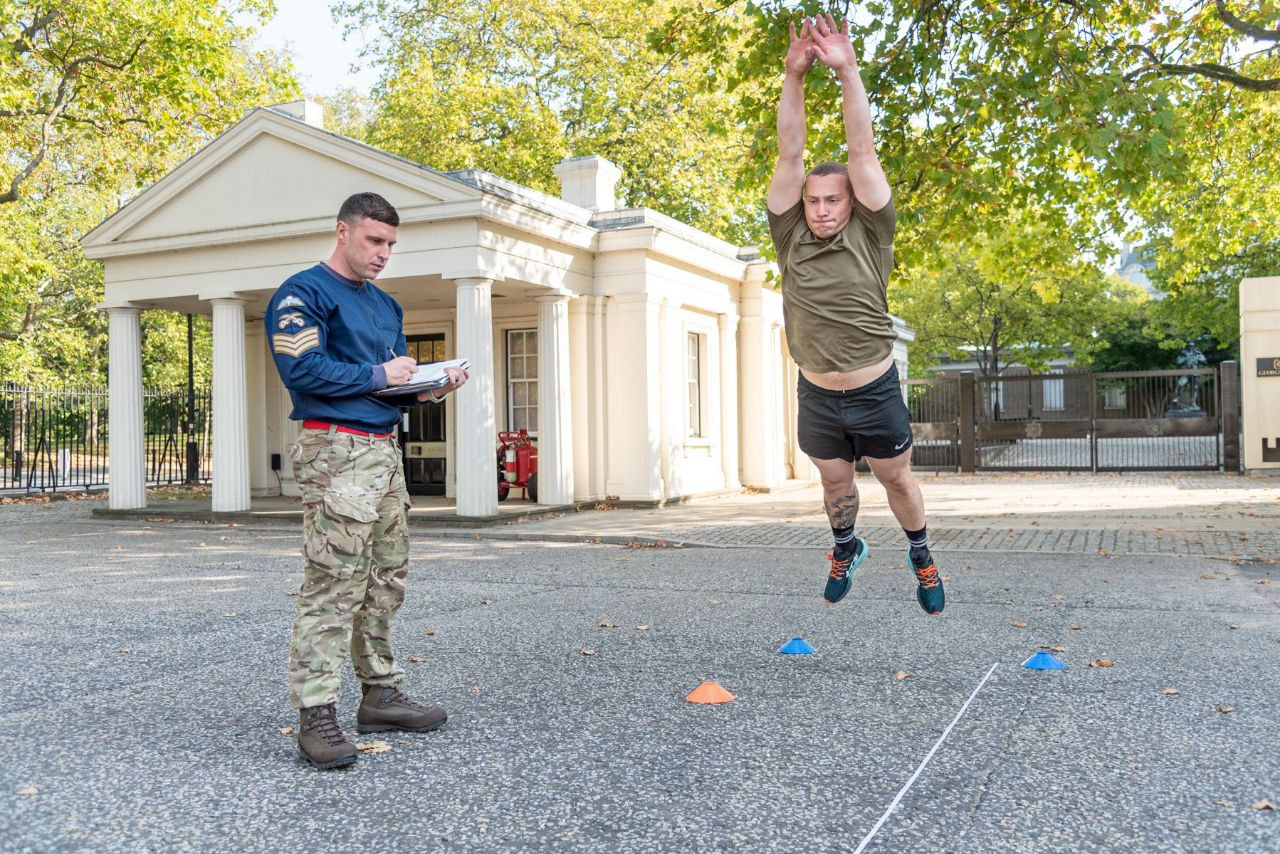
We test lower body explosive strength through a simple broad jump, aiming for a jump of 150cm and finally we need to test single leg lower body explosive strength through a single leg hop test. This is often thought of as the most important factor in the return to running and tabbing. It’s not uncommon for us to have one stronger side than the other but they are normally broadly even. Post injury, the recovered side can be weaker. For your average person going about daily life this might not affect them, but for a tactical athlete this can have huge implications to training.
Walking, running and tabbing are single leg activities. You might not think of it like that, but it is. Every step is a single leg exercise and if our legs aren’t similar in strength, we will either use one side more putting additional pressure on that side, or drag the weaker side along increasing the risk of injury/re-injury. A single leg jump for distance can be measured and a limb symmetry index (LSI) established (a percentage difference in performance between L and R). We want the LSI to be higher than 90% to show there isn’t a large difference in single leg explosive strength. If it’s higher than 90% this shows we have the potential to use both legs equally when we run or tab.
This criteria isn’t the be all and end all of entry to load carriage but it does provide some simple markers to aim towards. As with everything in the world of physical training, we adapt to the individuals and with the right training programme we can recover from injuries and make sure we don’t suffer further injuries going forward.
If you have any questions about load carriage, please feel free to contact us.