
The New Soldier Conditioning Assessment for The British Army
The New Soldier Conditioning Assessment for The British Army
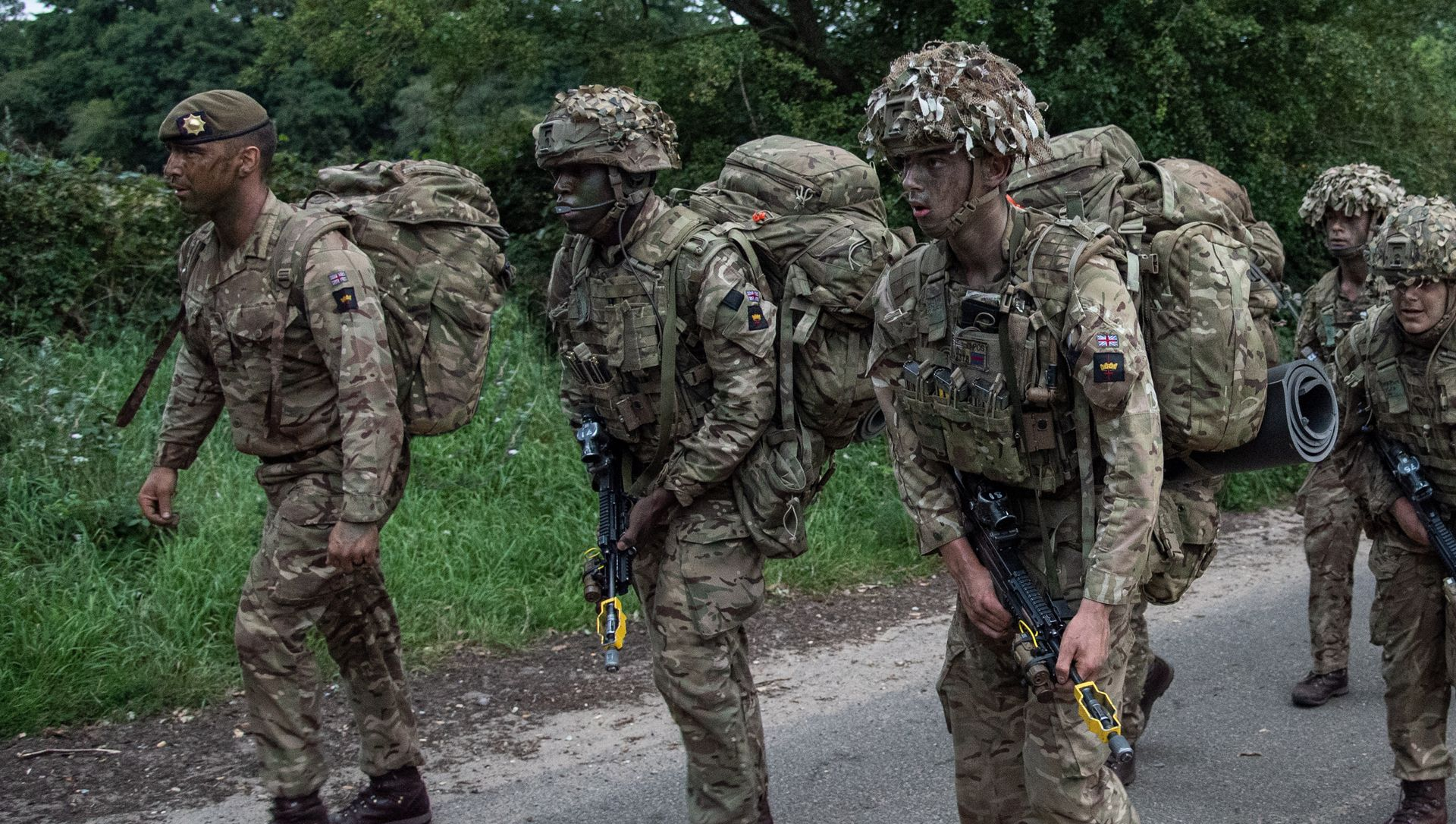
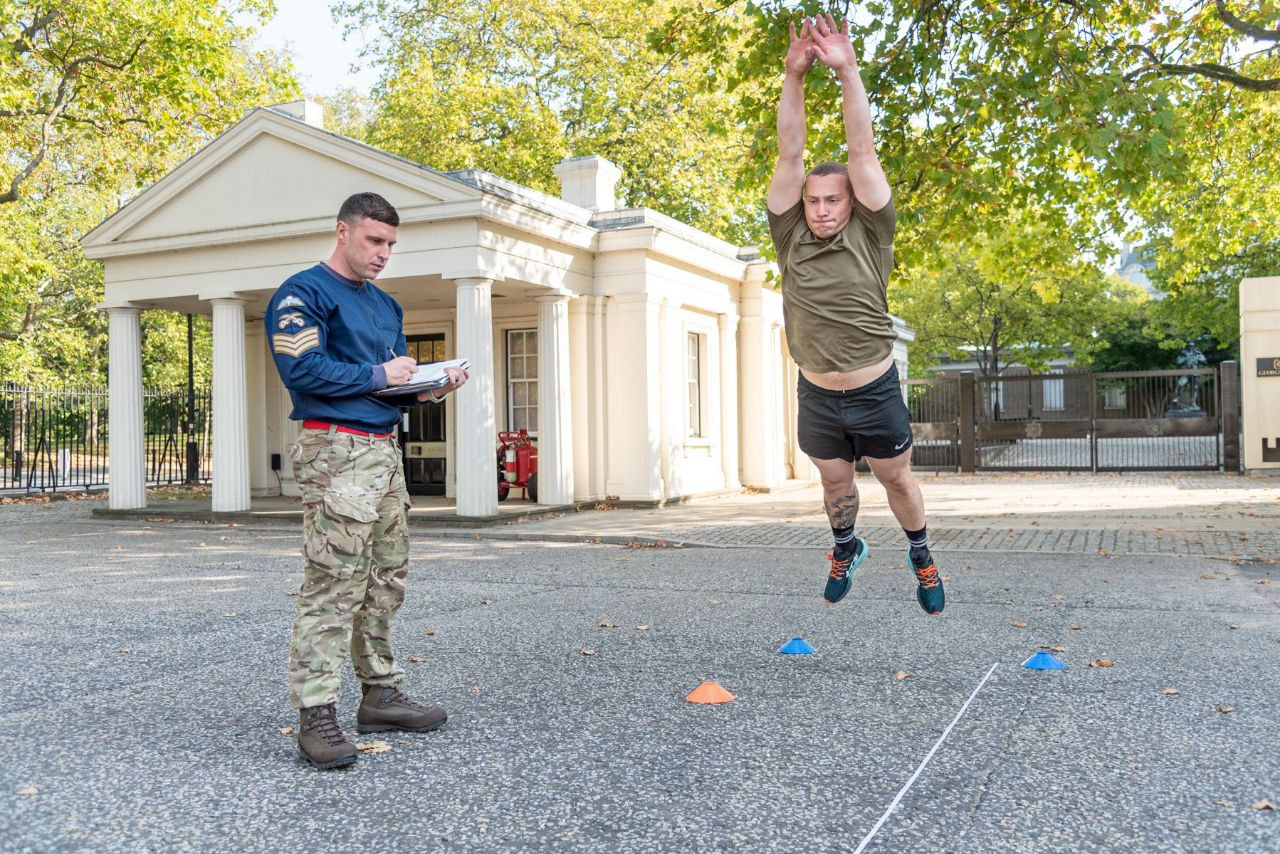
The British Army is introducing a new approach to physical conditioning through the Soldier Conditioning Assessment (SCA), which will replace the former Soldier Conditioning Review (SCR). The SCA is designed to be a short, maximal effort, gender-free assessment that is not pass/fail. Instead, it is intended to measure and improve physical conditioning across the force.
This pilot programme will be conducted Army-wide for a 12‐month period (from 1 April 2025 until 31 March 2026). It is structured to support a culture of competition and enhance individual fitness and operational readiness.
The New Soldier Conditioning Assessment – What You Need to Know
This new assessment has been designed as a gender-free test, which means that it applies the same standards to all Service personnel regardless of gender. The removal of gender-based differences in testing allows the Army to ensure that all soldiers are evaluated by a consistent standard. This reinforces a culture where fitness is directly linked to operational effectiveness rather than merely meeting arbitrary benchmarks.
The new SCA focuses on four core disciplines:
Structural factors (e.g., flat feet, limited joint mobility) may worsen the strain as can pushing your routine too hard or wearing unsuitable footwear.
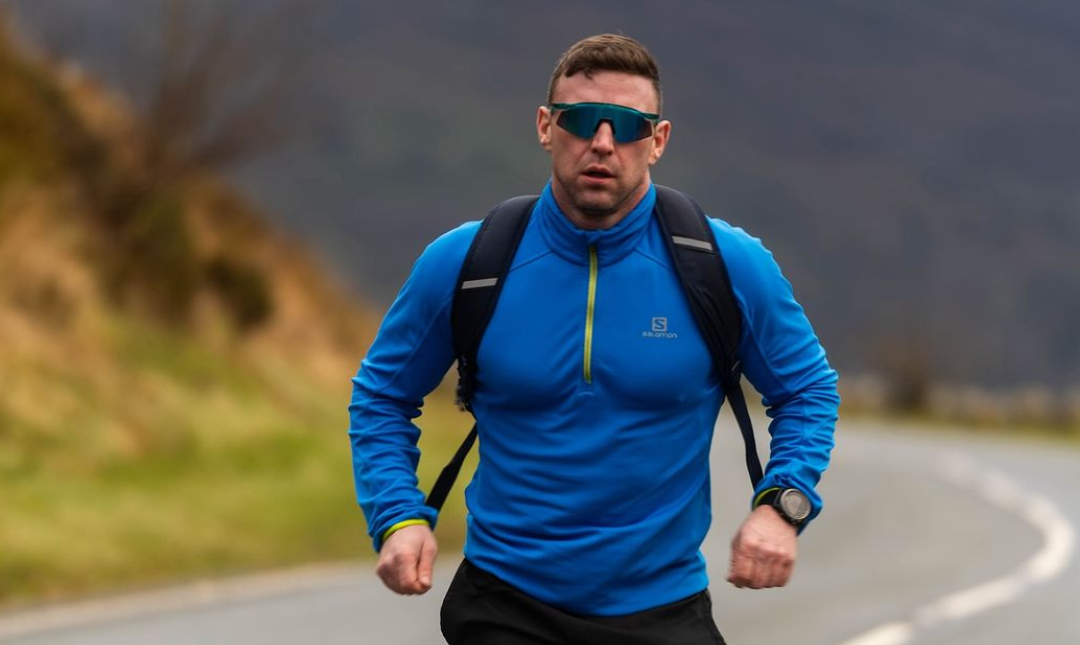
1. 2km Run
This component assesses aerobic capacity and cardiovascular endurance. It is a best-effort run that’s intended to simulate battlefield scenarios where rapid movement under duress is necessary.
2. Deadlift
Deadlifts focus on total body strength, especially of the posterior chain (e.g., the hamstrings, glutes, lower back). The deadlift is performed with progressive incremental lifts. The exercise uses a hex bar to reduce injury risk but still effectively evaluates strength that’s relevant to military tasks.
3. Press-ups
Press-ups are conducted over a 60-second period. This exercise measures upper body endurance and core strength, which are indispensable for tasks such as trench digging and equipment handling.
4. Pull-ups
Although this discipline is part of the assessment, its inclusion is subject to review during the pilot phase. All personnel will complete pull-ups to the best of their ability. However, there will be no mandatory remedial training for those who do not meet the set standard.
What Motivated the Change for The New Soldier Conditioning Assessment
The new SCA comes as a result of a rapid review of the previous SCR, which determined that with minor adjustments, the Army could achieve several benefits.
These benefits include:
Efficiency
The revised approach reduces the time that’s needed for testing by approximately 40%.
Focus on Maximal Effort
The test is designed to encourage soldiers to exert maximum effort, which in turn allows commanders to identify those who may need targeted physical development.
Improved Training Outcomes
The connection of the assessment with the Army Physical Training System (APTS) allows the SCA to become a cornerstone of the Army’s commitment to physical development. The time for physical training across the force is expected to promote continual improvement in physical conditioning.
What’s more, the pilot programme will validate both the feasibility of the SCA and each of its individual exercise standards. There is also a view to raise these standards in future iterations and introduce an equivalent to the ‘300 Club’ for the fittest soldiers.
Pilot Programme Structure
During the pilot, the SCA is split into two sessions:
· SCA (1): Conducted between April and September.
· SCA (2): Conducted between October and March.
This structure replaces the current 12-month rolling currency, which makes sure that the assessment is carried out during specific periods that align with the training cycles and physical development of the soldiers.
Here’s a table that summarises the key features of the new Soldier Conditioning Assessment:
| Aspect | Details |
|---|---|
| Pilot Duration | 1 April 2025 – 31 March 2026. |
| Assessment Periods | SCA (1): April – September. SCA (2): October – March. |
| Exercises | 2km Run, Deadlift, Press-ups, and Pull-ups. |
| Test Nature | Short, maximal effort, gender-free, and not pass/fail. |
| Purpose | Measures and improves physical conditioning. It also supports targeted remedial training and shapes future standards. |
| Review and Future Adjustments | Pull-up inclusion is under review. There is also a potential to raise standards and introduce a ‘300 Club’ equivalent. |
| Underlying System | It’s supported by the Army Physical Training System (APTS). |
Conclusion
The introduction of the new SCA is an attempt to modernise the physical assessment of British Army personnel. The great emphasis on maximal effort and standardised testing across all genders will optimise physical readiness and resilience.
This new approach saves time and provides actionable insights for commanders to focus training efforts where they are most needed. Ultimately, the SCA is part of a broader strategy to multiply fighting power and ensure that every soldier is physically prepared for the challenges of modern military operations.
If you have any questions about the new soldier conditioning assessment for The British Army, please feel free to contact us.